The Effects of Artichokes
Artichokes are rich in fiber, antioxidants, and other nutrients. They may also improve several aspects of health, including heart health and digestion.
Although often considered a vegetable, the artichoke (Cynara cardunculus var. scolymus) is a type of thistle.
This plant originated in the Mediterranean and has been used for centuries for its potential medicinal properties.
Its purported health benefits include lower blood sugar and improved digestion, heart health, and liver health.
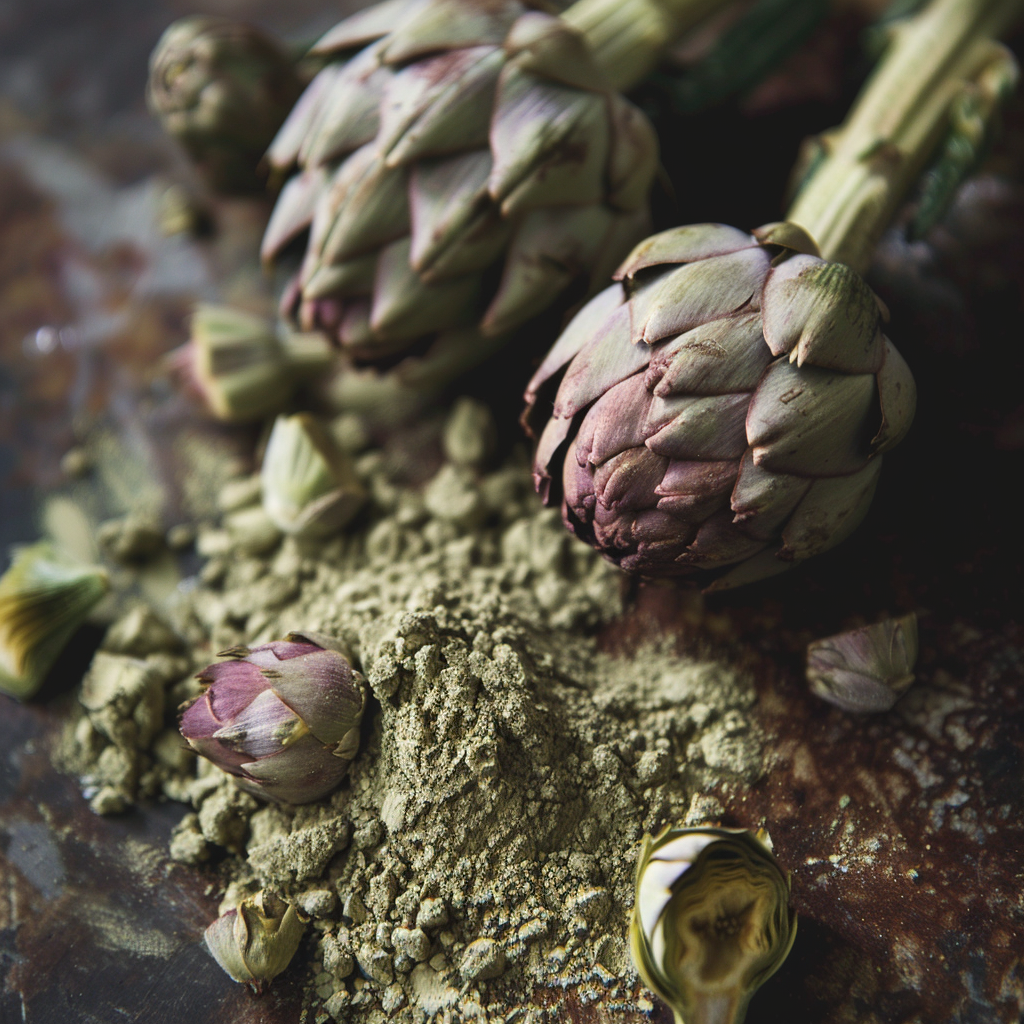
Artichoke extract, which contains a high concentration of compounds found in the plant, is also becoming increasingly popular as a supplement.
Here are the 8 most important health benefits of artichokes and artichoke extract.
1. Packed With Nutrients
Artichokes are packed with powerful nutrients.
Each cup, or 170 grams (g), of cooked artichoke contains:
- Calories: 90
- Carbohydrates: 20 g
- Fiber: 10 g
- Protein: 5 g
- Fat: 0.6 g
- Folate: 34% of the Daily Value
- Copper: 21% of the Daily Value
- Magnesium: 15% of the Daily Value
- Vitamin C: 12% of the Daily Value
- Niacin: 10% of the Daily Value
- Riboflavin: 10% of the Daily Value
- Potassium: 9% of the Daily Value
- Phosphorus: 9% of the Daily Value
- Vitamin B6: 7% of the Daily Value
Artichokes are low in fat but rich in fiber, vitamins, minerals, and antioxidants. They are particularly high in folate and vitamin C, and also provide important minerals such as magnesium, phosphorus, and potassium.
These tasty thistles contain only 90 calories per cooked cup (170 g) and provide about 5 g of protein, which is above average for plant-based foods.
In addition, artichokes are rich in numerous antioxidants.
SUMMARY Artichokes are low in fat, high in fiber, and packed with vitamins and minerals such as vitamin C, folate, phosphorus, and magnesium. They are also rich in antioxidants.
2. May Improve Cholesterol Levels
Artichoke leaf extract may have a positive effect on cholesterol levels.A comprehensive study involving more than 700 people found that supplementing with artichoke leaf extract for 5–13 weeks led to reductions in total and LDL (bad) cholesterol levels.
A review of another 14 studies concluded that artichoke supplementation may significantly reduce triglyceride, total cholesterol, and LDL cholesterol levels.
In addition, a 2012 animal study reported a 30% reduction in LDL cholesterol and a 22% reduction in triglyceride levels after regular consumption of artichoke extract.
Some older research suggests that artichoke extract may affect cholesterol levels in several ways.
First, artichokes contain luteolin, an antioxidant that prevents cholesterol formation.
Second, artichoke leaf extract encourages the body to process cholesterol more efficiently, leading to lower overall cholesterol levels.
SUMMARY Artichoke extract may reduce triglycerides and total and LDL (bad) cholesterol, which may support heart health.
3. May help regulate blood pressure
Artichoke extract may help people with high blood pressure.
In fact, several reviews have found that artichoke supplementation may significantly reduce systolic and diastolic blood pressure in people with high blood pressure.
It is not fully understood how artichoke extract lowers blood pressure.
However, some older test-tube and animal studies suggest that artichoke extract promotes the activity of the eNOS enzyme, which plays a role in widening blood vessels.
In addition, artichokes are a good source of potassium, which helps regulate blood pressure.
However, it is unclear whether eating whole artichokes provides the same benefits, since the artichoke extract used in these studies was highly concentrated.
SUMMARY Artichoke extract may help lower blood pressure in people who already have high blood pressure.
4. May improve liver health
Artichoke leaf extract may protect the liver from damage and promote the growth of new tissue.
In addition, it increases bile production, which helps remove harmful toxins from the liver.
.In one study, artichoke leaf extract reduced inflammation and liver cell death in mice with nonalcoholic fatty liver disease.
Human studies also show positive effects on liver health.
For example, a study involving 90 people with nonalcoholic fatty liver disease found that consuming 600 milligrams (mg) of artichoke extract daily for 2 months led to improved liver function.
Other reviews found that artichoke supplementation may reduce liver enzyme levels. Elevated liver enzymes often indicate inflammation or liver damage.
Still, more research is needed to confirm the role of artichoke extract in treating liver disease.
SUMMARY Regular consumption of artichoke extract may reduce inflammation and protect the liver from damage. However, more research is needed.
5. May Improve Digestive Health
Artichokes are an excellent source of fiber, which may help support digestive health by promoting the growth of friendly gut bacteria and relieving constipation and diarrhea.
Artichokes contain inulin, a type of fiber that acts as a prebiotic.
In a 2010 study, consuming 10 g of inulin from Jerusalem artichokes improved the composition of the gut microbiome after 3 weeks.
Some older studies suggest that artichoke extract may also relieve symptoms of indigestion, such as bloating, nausea, and heartburn.
A small study showed that taking a dietary supplement containing ginger and artichoke before a meal improved the movement of food through the digestive tract, potentially helping relieve indigestion.
However, because the supplement also contained ginger, it is unclear how much of these results can be attributed to artichoke alone.
SUMMARY Artichoke leaf extract may support digestive health by stimulating friendly gut bacteria and relieving symptoms of indigestion.
6. May Relieve Symptoms of Irritable Bowel Syndrome
Irritable bowel syndrome (IBS) is a condition that affects the digestive system and can cause stomach pain, cramps, diarrhea, bloating, constipation, and bloating.
In an older study of people with IBS, taking artichoke leaf extract daily for 6 weeks helped relieve symptoms. In addition, 96% of participants considered the extract to be as effective as—or more effective than—other IBS treatments, such as antidiarrheal medications and laxatives.
Another study, conducted in 2004 and involving 208 people with IBS, found that consuming 1–2 capsules of artichoke leaf extract daily for 2 months reduced symptoms by 26% and improved quality of life by 20%.
Artichoke extract may relieve symptoms in several ways.
An older animal study found that certain compounds in artichokes have antispasmodic properties, meaning they may help stop the muscle spasms common in IBS.
Another 2010 study found that the prebiotics in artichokes may support gut health by improving the composition of the gut microbiome.
Although artichoke extract appears promising for treating IBS symptoms, newer, high-quality human studies are needed.
SUMMARY Artichoke leaf extract may help manage IBS symptoms by reducing muscle spasms and improving the balance of beneficial bacteria in the gut. However, more research is needed.
7. May help lower blood sugar levels
Artichokes and artichoke leaf extract may help lower blood sugar levels.
In fact, an animal study found that certain compounds in artichokes may lower blood sugar levels and improve cholesterol and triglyceride levels in rats, which may be due to their antioxidant effects.
In another small study, artichoke extract supplementation improved blood sugar regulation and several other aspects of metabolic health—such as cholesterol levels and waist circumference—after 8 weeks.
In fact, a review of nine studies concluded that artichokes and artichoke products may significantly reduce fasting blood sugar levels in humans.
However, keep in mind that more research is needed on the effects of eating artichokes on blood sugar regulation.
SUMMARY Some evidence suggests that artichokes and artichoke leaf extract may lower blood sugar levels. However, more research is needed.
How to add them to your diet
Preparing and cooking artichokes isn’t as intimidating as it may seem.
They can be steamed, boiled, grilled, sautéed, or braised. You can also prepare them stuffed or breaded, adding herbs and other seasonings for extra flavor.
Steaming is the most popular cooking method and generally takes 20–40 minutes, depending on size. Alternatively, you can roast the artichoke for 40 minutes at 177 °C.
Remember that both the leaves and the heart can be eaten.
Once cooked, the outer leaves can be pulled off and dipped in a sauce, such as aioli or herb butter. Simply remove the edible flesh from the leaves by pulling them through your teeth.
After removing the leaves, carefully scoop out the fuzzy material called the choke until you reach the heart. You can then scoop out the heart and eat it on its own or as a topping on pizza or salad.
SUMMARY The edible parts of an artichoke include the outer leaves and the heart. After cooking, artichokes can be eaten hot or cold and served with various dipping sauces.
Safety and dosage supplementation
Consuming artichoke extract is generally considered safe, and few side effects have been reported.
Artichoke extract is generally not recommended for children or for people who are pregnant or breastfeeding, as there is no research on its safety in these populations.
Similarly, people with certain health conditions—including severe liver or kidney disease—should not take artichoke extract unless advised by a doctor.
Some people may be allergic to artichokes or artichoke extract. The risk may be higher for those who are allergic to plants from the same family, including daisies, sunflowers, chrysanthemums, and marigolds.
There is currently insufficient data to determine the appropriate dosage of artichoke extract.
However, typical doses used in human studies range from 50–2,700 mg of artichoke leaf extract per day.
If you are unsure whether you should take artichoke extract, consult a doctor for advice.
SUMMARY Side effects of artichoke extract are rare, although people with certain health conditions, as well as those who are pregnant or breastfeeding, may want to avoid it. Typical doses range from 50–2,700 mg per day.
Artichokes are a nutritious, low-carbohydrate food that may offer numerous health benefits.
Nevertheless, the evidence is mostly limited to studies conducted with concentrated artichoke extract.
Regular consumption of artichoke extract may improve cholesterol levels, blood pressure, liver health, IBS, digestive disorders, and blood sugar levels.
Source: www.healthline.com