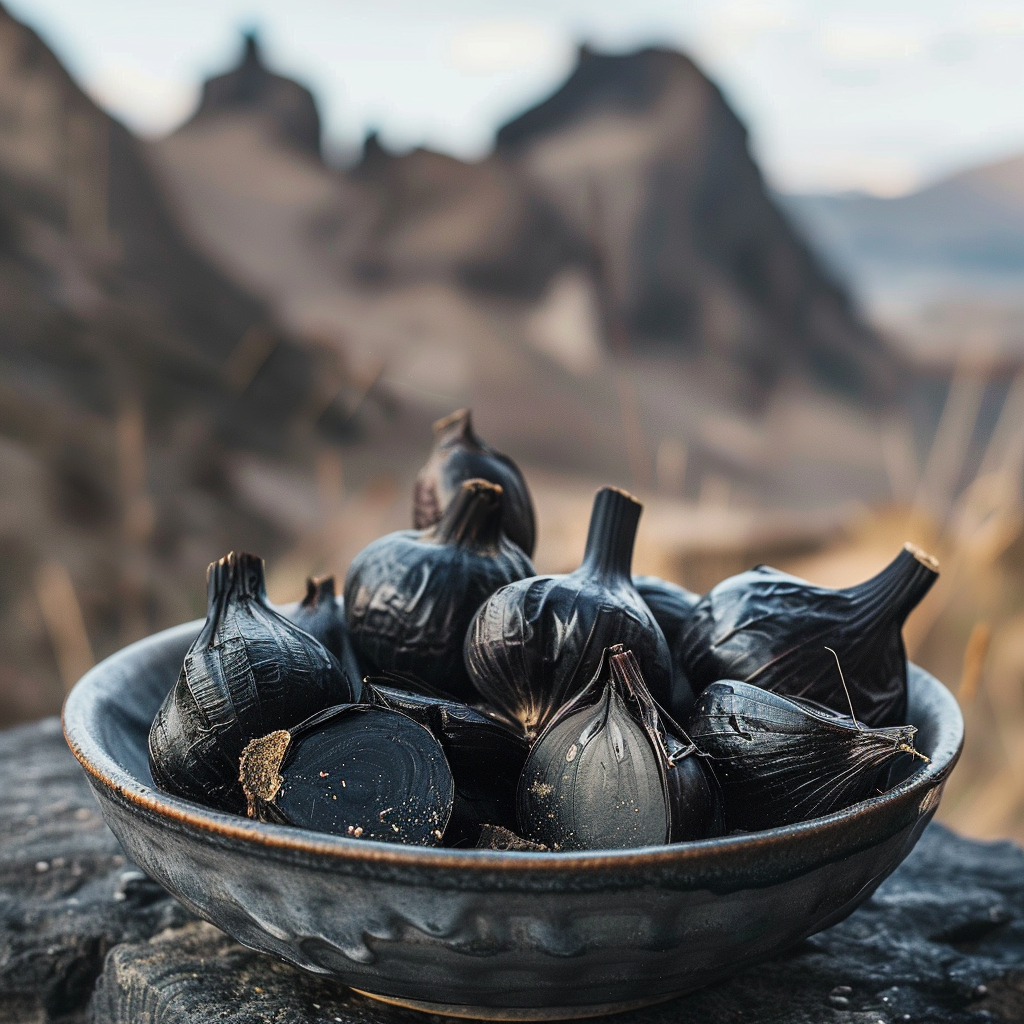
Black garlic capsule: black garlic benefits
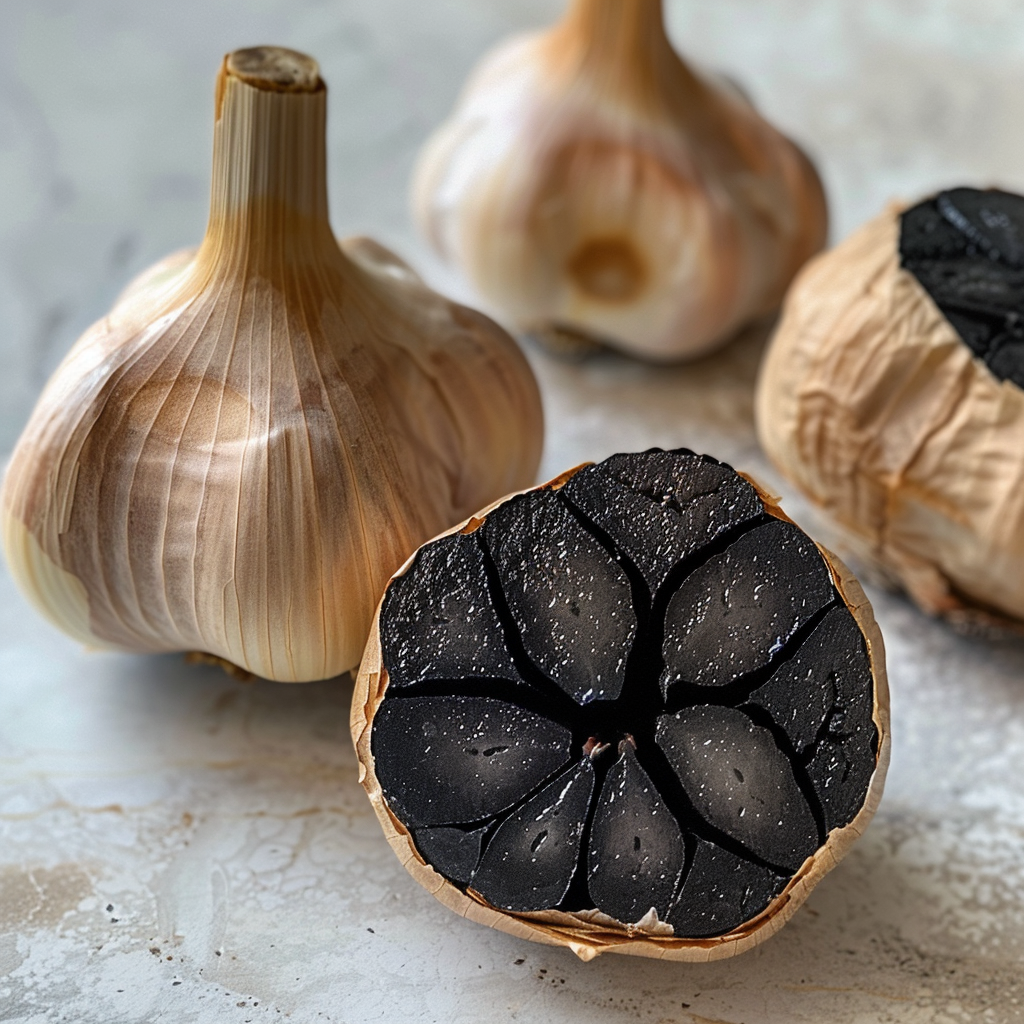
Black garlic is raw garlic that is aged for several weeks under controlled, high-temperature, high-humidity conditions. The garlic cloves turn brown and eventually black as a result of the Maillard reaction.
In addition to having black cloves, black garlic has a milder flavor and a softer, stickier texture than raw garlic.
Black garlic also offers several health benefits that go beyond those of raw, unaged garlic.
This article reviews 6 potential health benefits that black garlic may offer.
1. Contains more antioxidants
As a result of the aging process, black garlic contains significantly more antioxidants than raw garlic.
This is partly because allicin, the compound that gives crushed garlic its pungent smell, is converted into antioxidant compounds, such as alkaloids and flavonoids, as black garlic ages.
Antioxidants are compounds that help protect cells from oxidative damage, which can otherwise lead to various diseases. People mostly obtain antioxidants from plant foods, including garlic.
A 2014 study showed that total antioxidant activity increased significantly in black garlic during aging. In the study, garlic reached its peak antioxidant content after 21 days of aging.
SUMMARY As a result of the aging process, black garlic contains more antioxidant compounds than raw garlic. Antioxidants have a protective effect against cell damage and disease.
2. May help regulate blood sugar levels
In people with diabetes, uncontrolled high blood sugar can increase the risk of complications, including kidney damage, infections, and heart disease.
In a 2019 study of rats fed a diet high in fat and sugar, treatment with black garlic extract resulted in improved metabolism, including reduced cholesterol levels, reduced inflammation, and improved appetite regulation.
An older 2009 study conducted on rats with diabetes found that aged black garlic produced higher antioxidant activity than fresh garlic. The authors concluded that, due to its antioxidant properties, aged black garlic may help prevent complications of diabetes.
In another animal study conducted in 2019, researchers fed rats a high-fat diet. The rats that consumed black garlic had significantly lower glucose and insulin levels in their blood than those that did not.
It is important to note that some of these findings came from animal studies, and scientists need to conduct further research on the effects of black garlic on diabetes and blood sugar levels in humans.
SUMMARY Studies have shown that black garlic may help regulate blood sugar, reduce the risk of gestational diabetes, and even prevent damage caused by uncontrolled diabetes. However, scientists need to conduct more research on these effects in humans.
3. May Reduce the Risk of Heart Disease
Animal studies have shown that black garlic may reduce indicators of heart disease, including levels of total cholesterol, LDL (bad) cholesterol, and triglycerides in the blood. It may also increase HDL (good) cholesterol.
In an animal study, researchers compared the effects of raw and black garlic in rats recovering from heart damage caused by ischemia—the lack of blood supply to the heart.
The researchers found that both raw and black garlic helped improve circulation, protecting the heart from damage.
Another animal study showed that black garlic extract helped reduce total blood lipid, triglyceride, and total cholesterol levels in rats fed a high-fat diet. Elevated levels of these substances generally indicate an increased risk of heart disease.
In the same animal study, black garlic reduced high triglyceride and cholesterol levels, lowering the risk of heart disease.
Another study gave 60 people with high cholesterol 6 grams of black garlic extract or a placebo daily for 12 weeks. Black garlic increased HDL (good) cholesterol and reduced potential markers of heart disease. However, there was no difference in triglycerides, LDL, or total cholesterol between the groups.
One study gave participants with coronary artery disease 20 grams of black garlic extract daily for 6 months. Those who consumed it experienced increased antioxidant levels and better indicators of heart health than those who took a placebo.
Although animal studies suggest that black garlic may help reduce certain markers of heart disease, human studies are conflicting.
SUMMARY Black garlic may help reduce certain markers of heart disease, such as triglycerides and LDL (bad) cholesterol. It may also increase HDL (good) cholesterol in some people.
4. Compounds in black garlic may protect brain health
Black garlic may help prevent inflammation that can impair memory and brain function over time.
Scientists have suggested that inflammation of the nervous system may play a role in the development of Alzheimer’s disease.
A rat study showed that black garlic may reduce beta-amyloid-induced brain inflammation and may even improve short-term memory.
In another study, researchers induced oxidative stress in the brains of rats. Giving the rats black garlic extract prevented this oxidative stress from causing memory impairment.
SUMMARY Black garlic may contain compounds that help protect the brain from memory loss and degenerative diseases such as Alzheimer’s disease. However, scientists need to conduct more research into these potential effects in humans.
5. Black garlic may help protect the liver
Black garlic may help protect the liver from damage caused by constant exposure to chemicals, medications, alcohol, and bacteria.
Rat studies have shown that black garlic has a protective effect against liver injury, preventing further liver damage.
Black garlic may also be useful for more chronic conditions. For example, one animal study found that black garlic improves liver function in cases of chronic alcohol-induced liver damage, probably through its antioxidant activity.
Another study conducted on obese rats fed a high-fat diet found that aged black garlic reduces ALT and AST levels, two chemicals in the blood that indicate liver damage.
SUMMARY Black garlic may have a protective effect on the liver, safeguarding it from damage caused by injuries, everyday exposure to chemicals, or even chronic alcohol consumption.
Potential drawbacks
Neither raw nor black garlic appears to cause significant side effects. However, raw garlic does have some drawbacks that black garlic may share.
Consuming large amounts of raw garlic may increase the risk of bleeding. For this reason, people taking blood thinners may also want to avoid large amounts of black garlic.
Nevertheless, one study examined the effect of aged garlic extract on blood clotting in people taking blood thinners and found that it did not pose a significant risk.
Still, it is best to speak with a healthcare professional to determine whether black garlic is safe and appropriate for you.
In addition, people who experience an allergic reaction after consuming raw garlic should avoid black garlic.
SUMMARY Avoid black garlic if you are allergic to raw garlic. You may also want to avoid consuming large amounts if you take blood thinners. If you are concerned about taking black garlic, talk to your healthcare provider.
How to add it to your diet
Although you may be more familiar with raw garlic, black garlic can be a flavorful addition to your diet.Its sweet flavor and jelly-like texture pair well with some dishes.
Here are some ways to use black garlic:
- Add them with soy sauce to make a flavorful stir-fry.
- Use them to season soups.
- Mash them with cheese sauce or cream cheese.
- Blend them with mayonnaise or hummus.
- Thinly slice the cloves and add them to salads or pasta dishes.
- Use them as a pizza topping.
- Mix them with olive oil to make a simple salad dressing.
- You may also find that you enjoy eating black garlic on its own, since it is milder than raw garlic.
SUMMARY Black garlic has a milder, sweeter flavor than raw garlic. You can add it to pasta, soups, or stir-fries; mix it with oil; or blend it into dips and sauces.
Black garlic is raw garlic that has been aged under controlled conditions for several weeks. This changes its color and flavor.
Black garlic does not appear to have any significant side effects, but avoid consuming large amounts if you take blood thinners or have a garlic allergy.
Source: www.healthline.com