What are quercetin capsules?
Quercetin may offer health benefits, including reducing inflammation and the risk of developing certain diseases.
Quercetin is a natural pigment found in many:
- fruits
- vegetables
- grains
It is one of the most abundant antioxidants in the diet and plays an important role in helping the body fight damage caused by free radicals, which is linked to chronic diseases.
In addition, its antioxidant properties may reduce:
- inflammation
- allergy symptoms
- Blood pressure
What is quercetin?
Quercetin is a pigment that belongs to a group of plant compounds called flavonoids.
Flavonoids are found in:
- vegetables
- fruits
- grains
- tea
- wine
The benefits of flavonoids such as quercetin stem from their ability to act as antioxidants in the body.
Antioxidants are compounds that can bind to and neutralize free radicals.
Free radicals are unstable molecules that can cause cell damage when present at excessively high levels.
Quercetin is the most abundant flavonoid in the diet. It is estimated that the average person consumes 10–100 mg of it daily through various dietary sources.
Foods that commonly contain quercetin include onions, apples, grapes, berries, broccoli, citrus fruits, cherries, green tea, coffee, red wine, and capers.
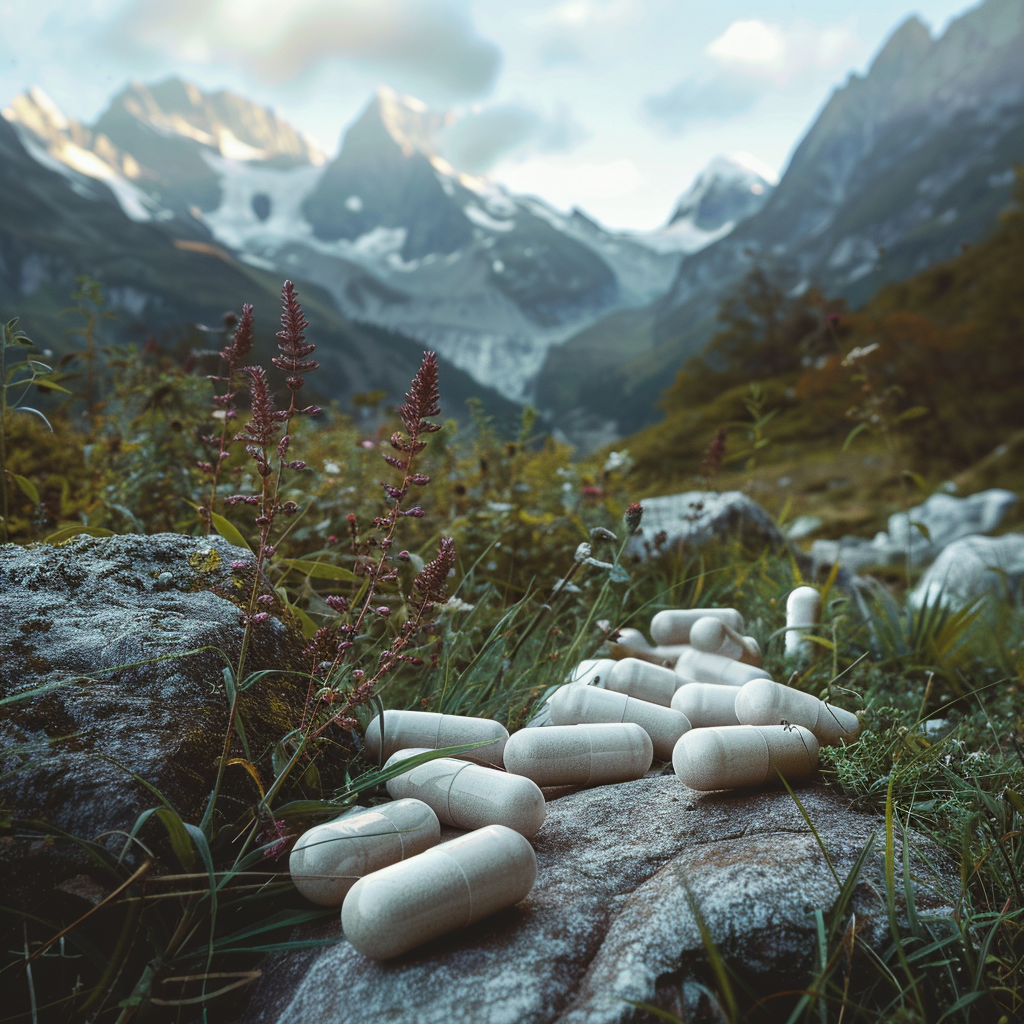
It is also available as a dietary supplement in powder and capsule form.
People take this supplement for several reasons, including:
- boost immunity
- fight inflammation
- fight allergies
- support exercise performance
- maintain overall health
SUMMARY Quercetin is a plant pigment with powerful antioxidant properties. It is found in many common foods, such as onions, apples, grapes, and berries.
It is also available as a dietary supplement for various uses.
Health benefits of quercetin
Research has linked quercetin’s antioxidant properties to various potential health benefits.
Here are some scientifically backed benefits.
May reduce inflammation
Free radicals may do more than simply damage cells.
Research shows that high levels of free radicals may help activate inflammation-promoting
genes. Thus, high levels of free radicals may lead to an increased inflammatory response.
While some inflammation is necessary for the body to heal and fight infections, persistent inflammation can be associated with health problems as well as heart and kidney disease.
Studies show that quercetin may help reduce inflammation.
An 8-week study involving 50 women with rheumatoid arthritis observed thatparticipants who took 500 mg of quercetin experienced significant reductions in early morning stiffness, morning pain, and post-exercise pain.
Markers of inflammation, such as TNFα, also decreased compared with those who received a placebo.
Although these results are promising, more human research is needed to understand the compound’s potential anti-inflammatory properties.
May relieve allergy symptoms
Quercetin’s potential anti-inflammatory properties may relieve allergy symptoms.
Test-tube and animal studies have shown that it may block enzymes involved in inflammation and suppress inflammation-promoting chemicals such as histamine.
For example, one study showed that taking quercetin supplements suppressed peanut-related anaphylactic reactions in mice.
Nevertheless, it is unclear whether the compound has the same effect on allergies in humans, so more research is needed before it can be recommended as an alternative treatment.
May reduce the risk of chronic brain disorders
Research suggests that quercetin’s antioxidant properties may help protect against degenerative brain disorders such as Alzheimer’s disease and dementia.
In one study, mice with Alzheimer’s disease received quercetin injections every other day for 3 months.
By the end of the study, the injections had reversed several markers of Alzheimer’s disease, and the mice performed much better on learning tests.
In another study, a quercetin-rich diet reduced markers of Alzheimer’s disease and improved brain function in mice during the early middle stage of the condition.
However, the diet had little to no effect on animals with middle-to-late-stage Alzheimer’s disease.
Coffee is a popular beverage that has been associated with a lower risk of Alzheimer’s disease.
In fact, research shows, according to a reliable source, that quercetin, not caffeine, is the primary compound in coffee responsible for its potential protective effect against disease.
Although these results are promising, more research in humans is needed.
May lower blood pressure
High blood pressure affects one in three American adults. It increases the risk of heart disease—the leading cause of death in the United States.
Research suggests that quercetin may help lower blood pressure. In test-tube studies, the compound appeared to have a relaxing effect on blood vessels.
When mice with high blood pressure were given quercetin daily for 5 weeks, their systolic and diastolic blood pressure readings (the upper and lower numbers) decreased by an average of 18% and 23%, respectively.
Similarly, a review of 9 human studies involving 580 people found that taking more than 500 mg of quercetin daily as a supplement reduced systolic and diastolic blood pressure by an average of 5.8 mmHg and 2.6 mmHg, respectively.
Although these results are promising, more human studies are needed to determine whether the compound could be an alternative therapy for treating high blood pressure.
Other potential benefits
Here are some other potential benefits of quercetin:It may help combat aging. Test-tube and animal studies suggest that quercetin may help rejuvenate or eliminate senescent cells and reduce markers of aging. However, more human research is needed. It may improve exercise performance. A review of 11 human studies found that taking quercetin may slightly improve endurance exercise performance. It may help regulate blood sugar. Human and animal research indicates that the compound may lower blood sugar levels and protect against complications of diabetes
SUMMARY Quercetin may improve inflammation, blood pressure, physical performance, and blood sugar regulation
Food sources and dosage
Quercetin is naturally found in many plant-based foods, especially in the outer layer or skin.
Good food sources include:
- capers
- peppers – yellow and green
- onions – red and white
- wild garlic
- asparagus – cooked
- cherries
- tomato
- red apple
- red grapes
- broccoli
- kale
- red leaf lettuce
- berries – all varieties, such as blueberries, bilberries, and raspberries
- tea – green and black
Keep in mind that the amount of quercetin in foods may depend on the conditions in which the food was grown.
For example, one study found that organic tomatoes contained up to 79% more quercetin than conventionally grown tomatoes.
However, other studies point to differences in the quercetin content of different tomato varieties, regardless of the cultivation method. There was no difference between conventionally and organically grown peppers.
Quercetin supplements
You can purchase quercetin as a dietary supplement online and at health food stores. It is available in several forms, including capsules and powders.
Typical doses range from 500–1,000 mg per day.
Quercetin alone has low bioavailability, meaning that the body absorbs it poorly.
Therefore, supplements may contain other compounds, such as vitamin C or digestive enzymes like bromelain, as these may enhance absorption.
In addition, some research indicates that quercetin has a synergistic effect when combined with other flavonoid supplements, such as resveratrol, genistein, and catechins.
Safety and side effects
Quercetin is found in many fruits and vegetables and can be consumed safely.
As a supplement, it generally appears to be safe, with few side effects.
In some cases, consuming more than 1,000 mg of quercetin per day may cause mild symptoms such as headaches, stomach pain, or a tingling sensation.
When consumed in food, quercetin is safe for pregnant and breastfeeding women.
However, studies on the safety of quercetin supplements for pregnant and breastfeeding women are lacking, so avoid taking quercetin if you are pregnant or breastfeeding.
As with any supplement, consult your healthcare provider before taking quercetin, as it may interact with certain medications, including antibiotics and blood pressure medications.
However, it may interact with various medications and is not suitable for pregnant or breastfeeding women, so talk to your healthcare provider before using it.
Quercetin is the most common dietary flavonoid.
This may be associated with improved exercise performance, as well as reductions in inflammation, blood pressure, and blood sugar levels.
Although its benefits appear promising, more human research is needed.
Source: www.healthline.com